How to Find Sinhala and Tamil Language Activities for Children
A practical parent guide to finding Sinhala and Tamil classes and activities in Australia, including teaching approach, safety, fees, schedules and family fit.
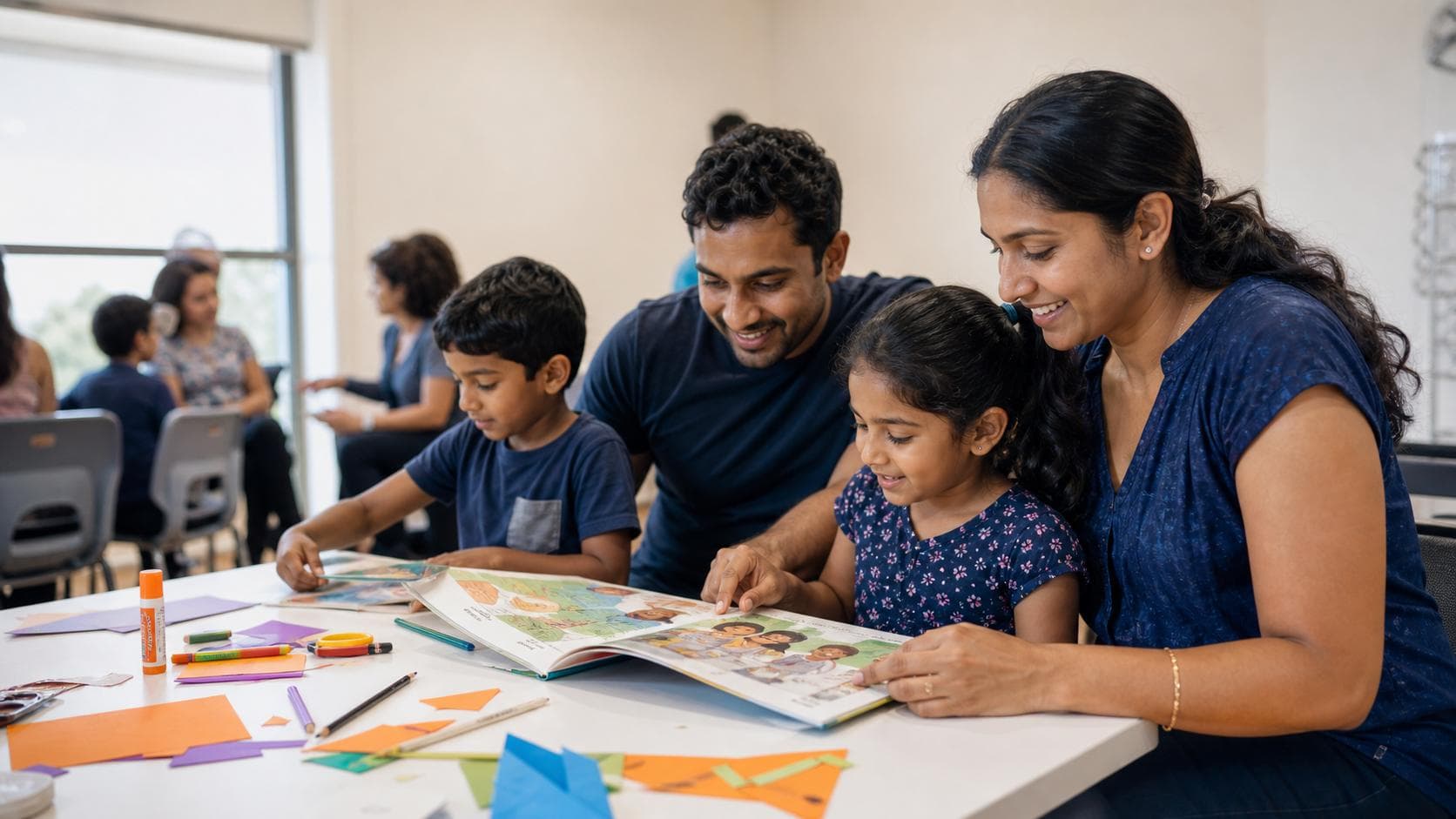
Sinhala and Tamil activities can help children speak with grandparents, enjoy stories and songs, and feel connected to family history. The best program is not necessarily the strictest, the biggest or the one your cousin’s neighbour mentioned with great confidence.
Look for a safe, age-appropriate activity that fits your child, household language and weekly rhythm. Progress grows more easily when children feel curious rather than inspected.
Clarify what you want the activity to support
Families may want conversation, reading and writing, cultural knowledge, performance, religious learning or relaxed social contact. Decide which outcomes matter now. A preschooler hearing family stories needs a different program from a teenager preparing to read confidently.
Ask your child what sounds enjoyable. Their motivation belongs in the plan.
Search in several trusted places
Explore community organisations, language schools, libraries, cultural centres, places of worship and local events. Use current listings and contact the organiser directly, because volunteer-led schedules can change between terms.
- Program website or verified community profile
- Local council and library directories
- School or early-learning community notices
- Parent recommendations that you independently verify
- AusLanka education, organisation and event listings
Ask how children are grouped and taught
Check age range, current ability, class size and whether the program teaches spoken language, literacy or both. Ask how teachers support children who understand a language but feel shy speaking it.
Look for songs, stories, games, craft and conversation alongside formal practice. A five-year-old rarely develops cultural confidence through three hours of being corrected like an overdue tax return.