Rental Inspection Checklist for Newcomers in Australia
A practical rental inspection checklist for newcomers covering condition, transport, noise, storage, utilities, safety, costs and questions to ask before applying.
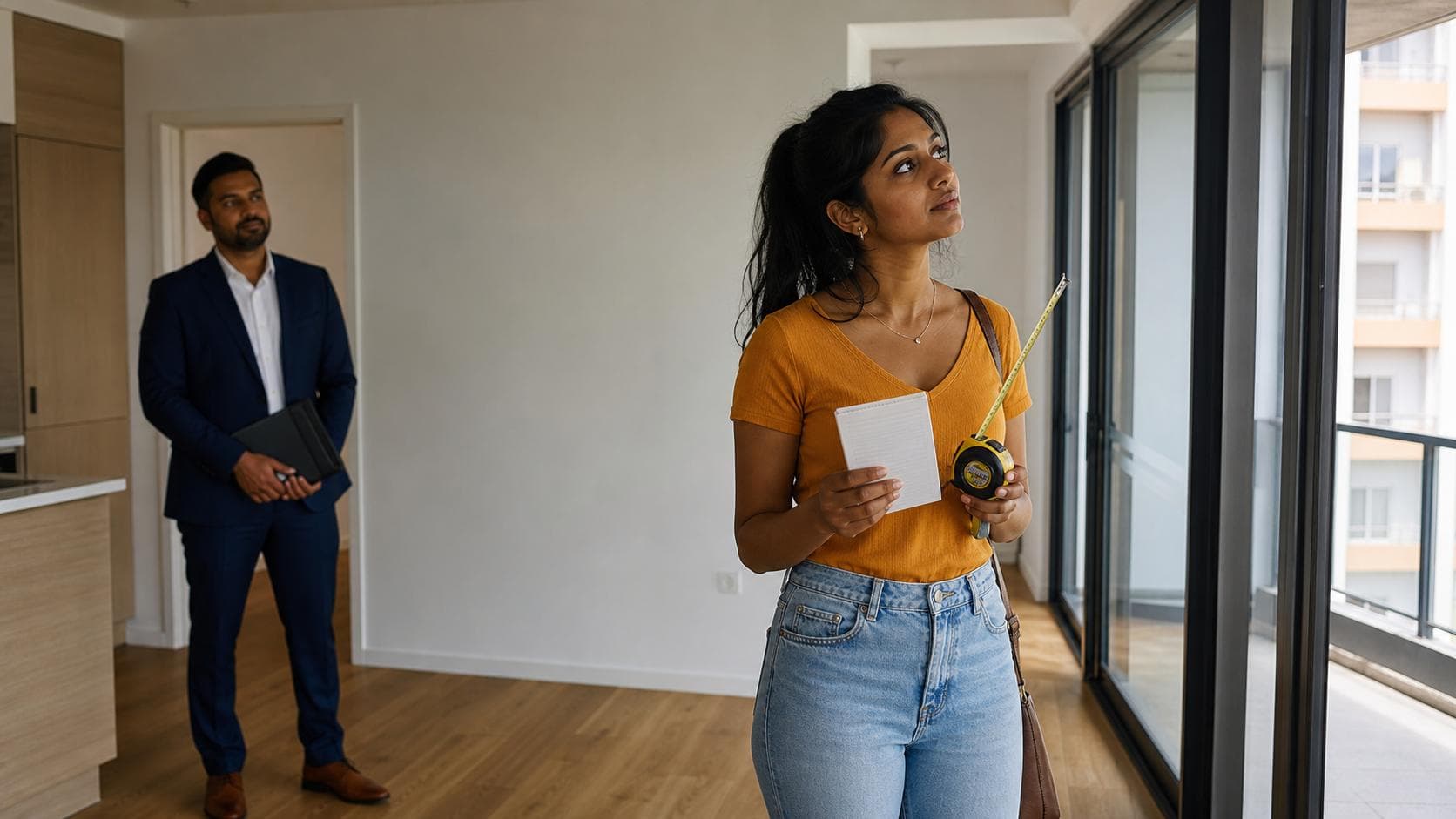
A rental inspection can move quickly: shoes off, twelve people in the hallway, and someone measuring the fridge space with the seriousness of a civil engineer. A checklist helps you look beyond fresh paint and good lighting.
Rental laws and processes vary across states and territories. This guide helps you record practical observations, not decide whether a property meets every legal requirement. Use your local consumer or tenancy authority for current rules.
Before the inspection: confirm the real basics
Check the exact address, advertised rent period, available date, inspection registration and application method. Look at travel time during the hours you will actually commute. Save the listing and questions, but do not send identity documents through an unverified link.
- Rent and payment frequency
- Bond and other stated costs
- Lease length and available date
- Included parking, storage or appliances
- Verified agent or rental provider contact
Look at the building and arrival
Notice lighting, paths, stairs, lifts, doors, common areas, mailboxes and waste facilities. Check how groceries, furniture, prams or mobility aids would reach the home. Ask about secure entry and any building rules relevant to you.
Visit the surrounding street rather than judging the area from one carefully cropped photo.
Check each room systematically
Look for visible damage, damp, mould, pests, cracks, poor ventilation and signs of leaks. Test what the inspection allows—lights, taps, doors, windows and included appliances—without forcing anything.
In Victoria, for example, Consumer Affairs Victoria publishes a minimum-standards checklist. Other jurisdictions have their own rules and guidance.